
Kofola, the Communist-Era Cola That Refuses to Be Coke
This highly-caffeinated herbal soft drink, invented in 1959 in former Czechoslovakia, boasts an identity that stands uniquely on its own.
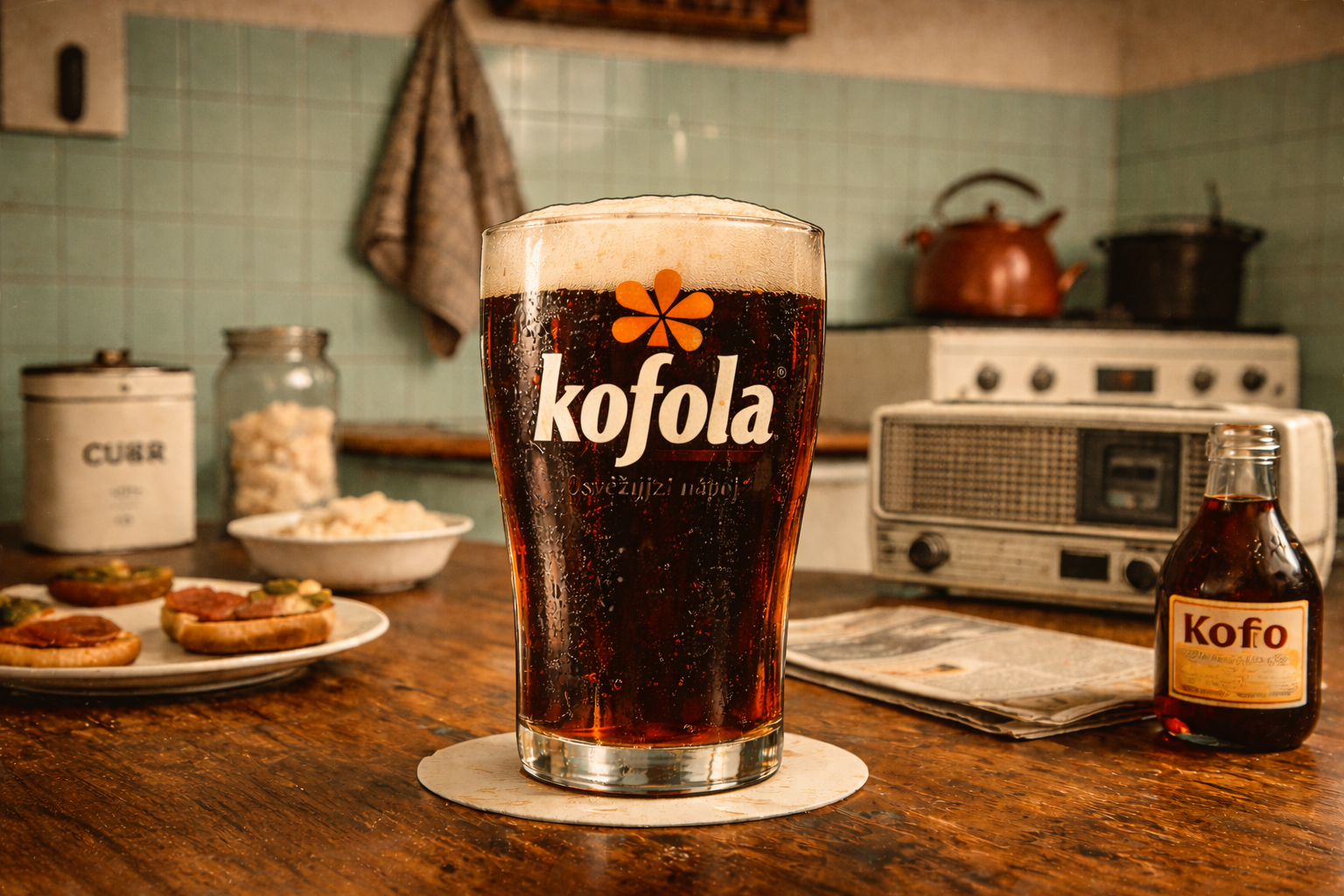
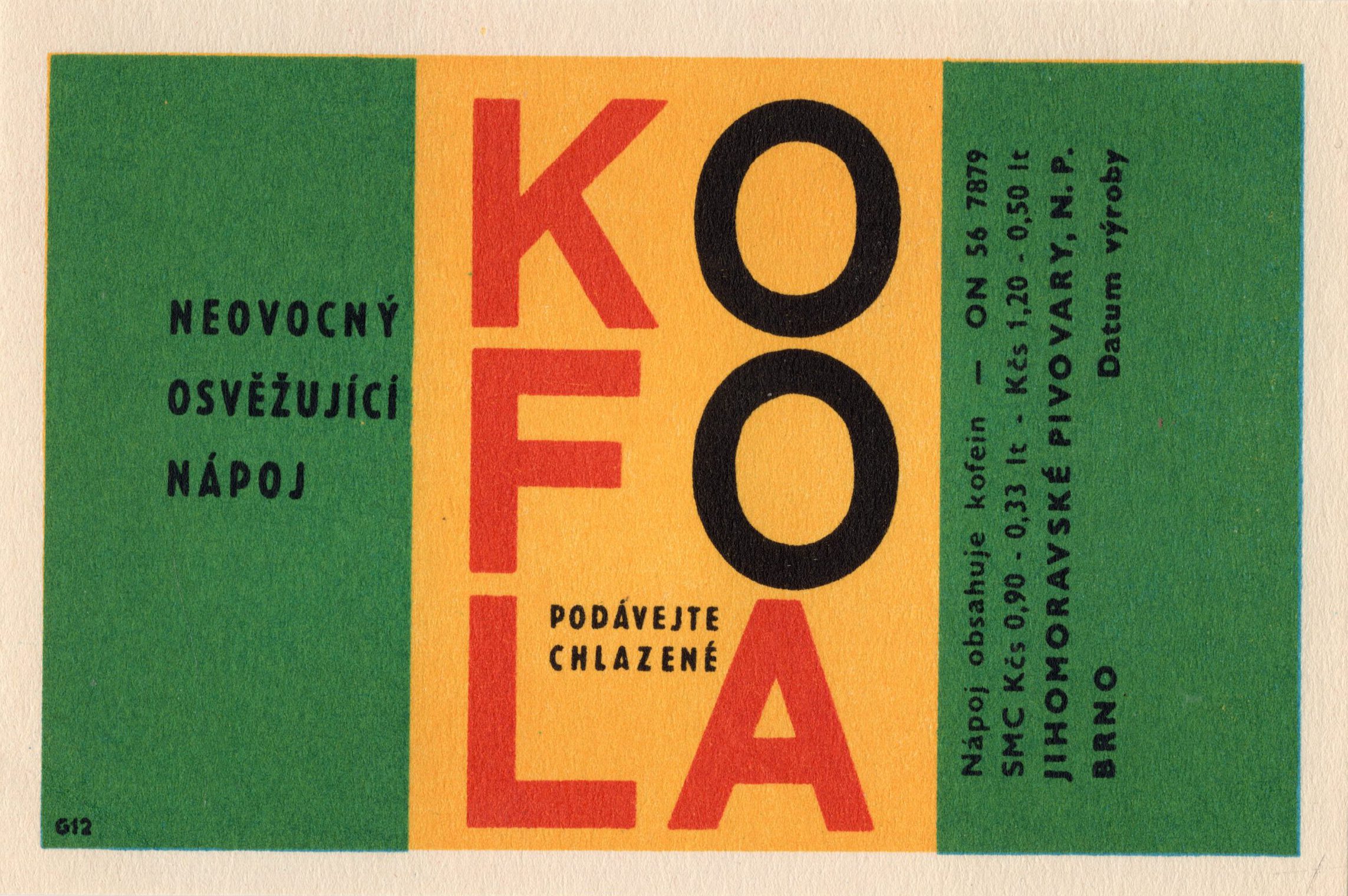
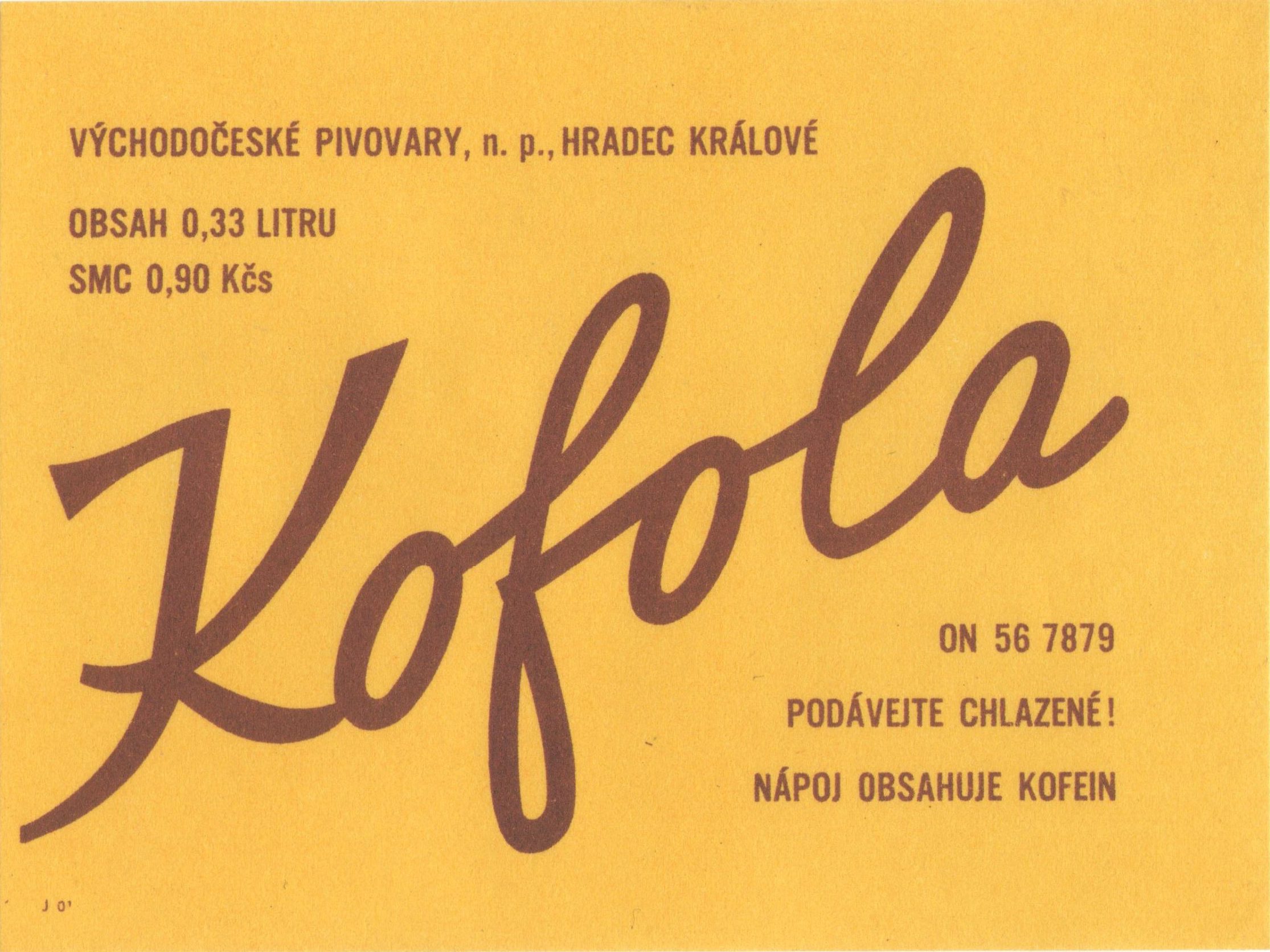
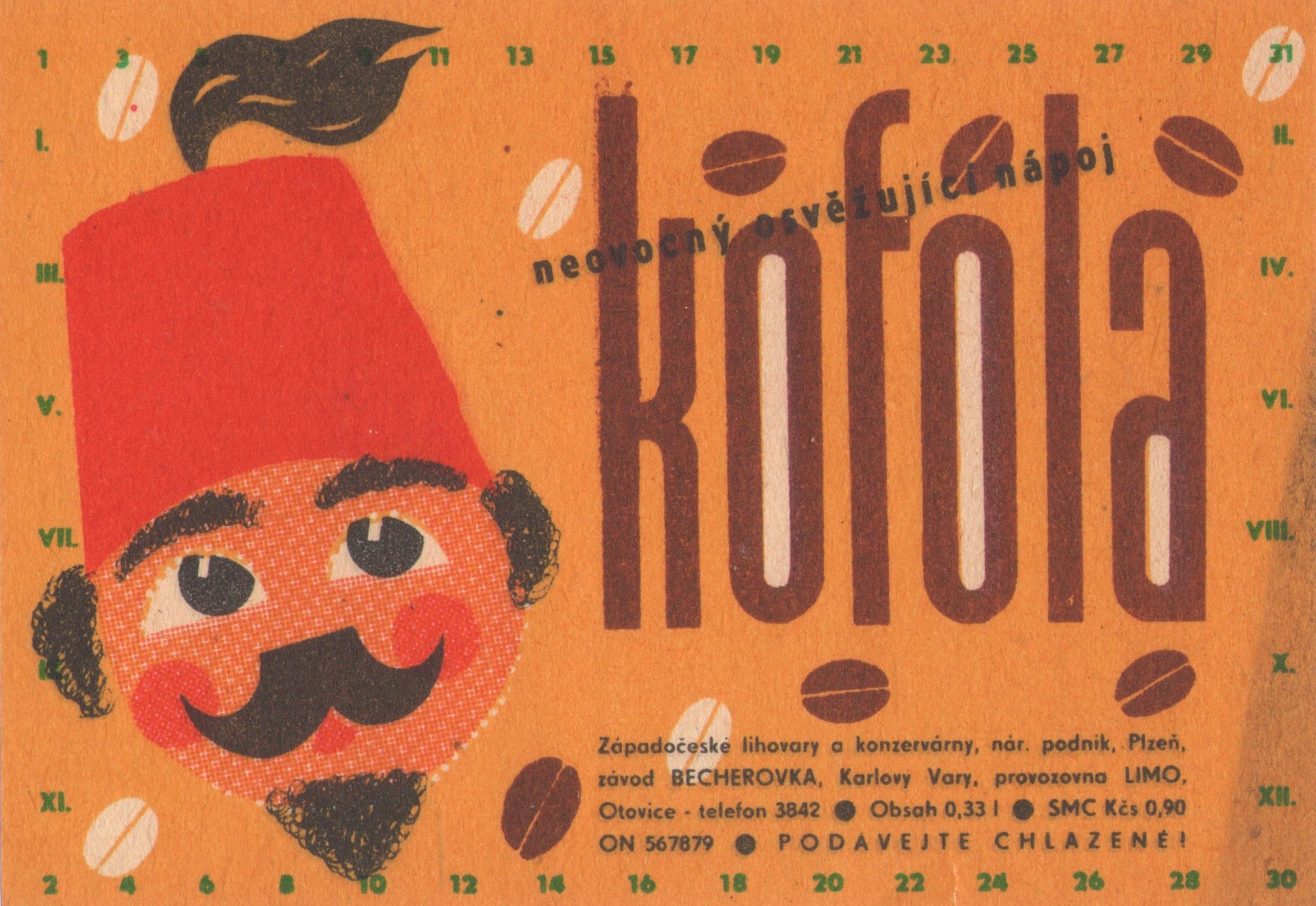
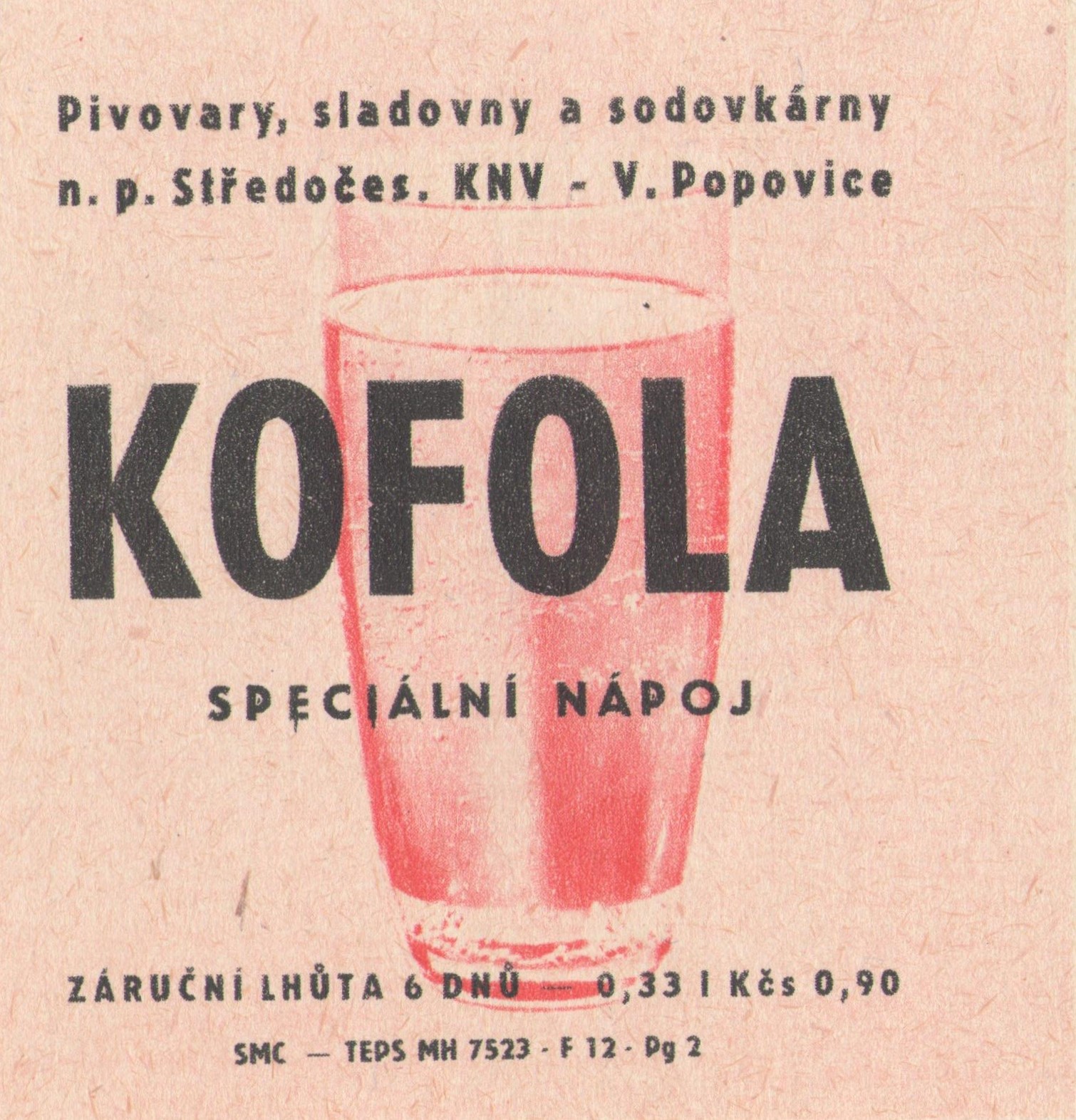
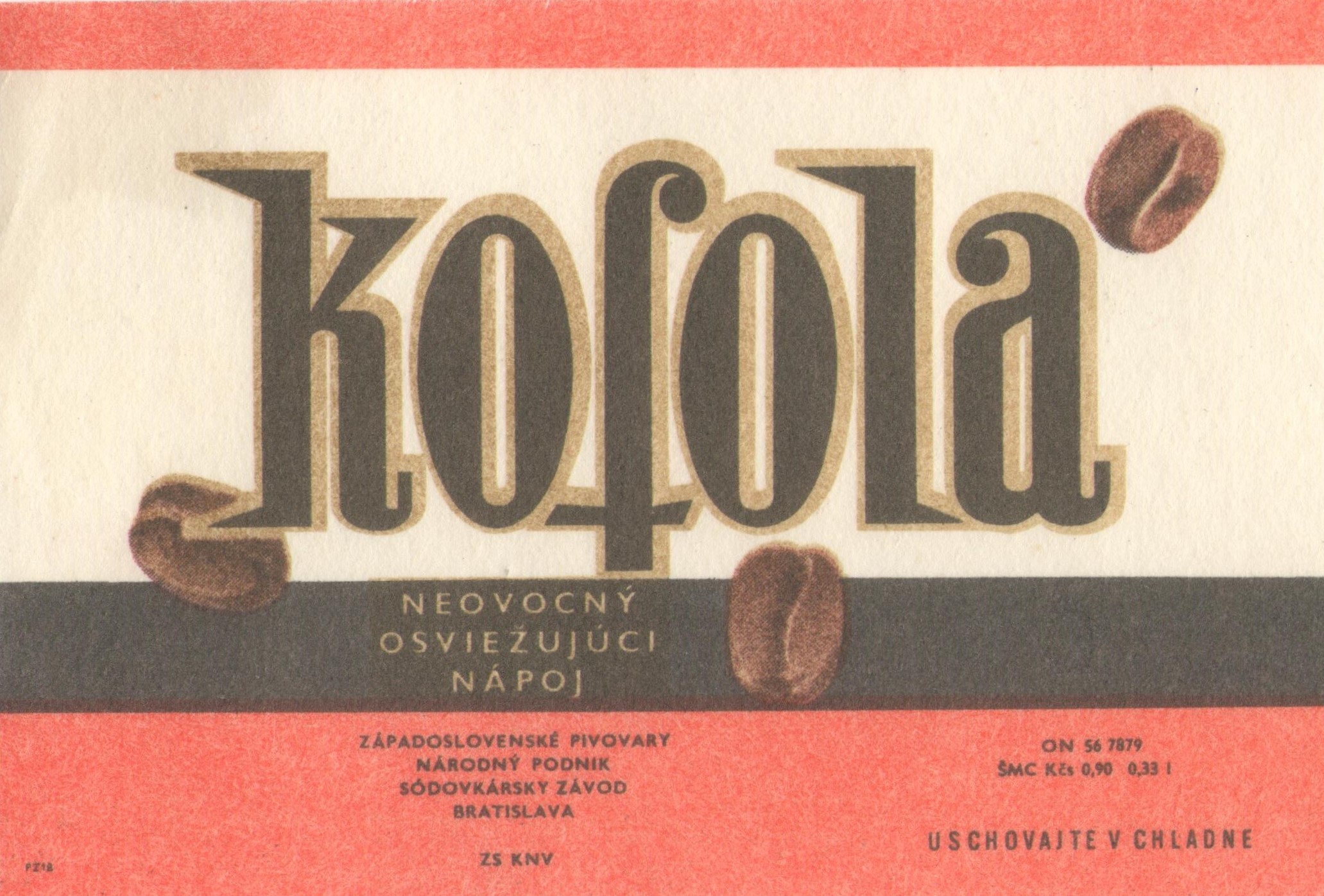
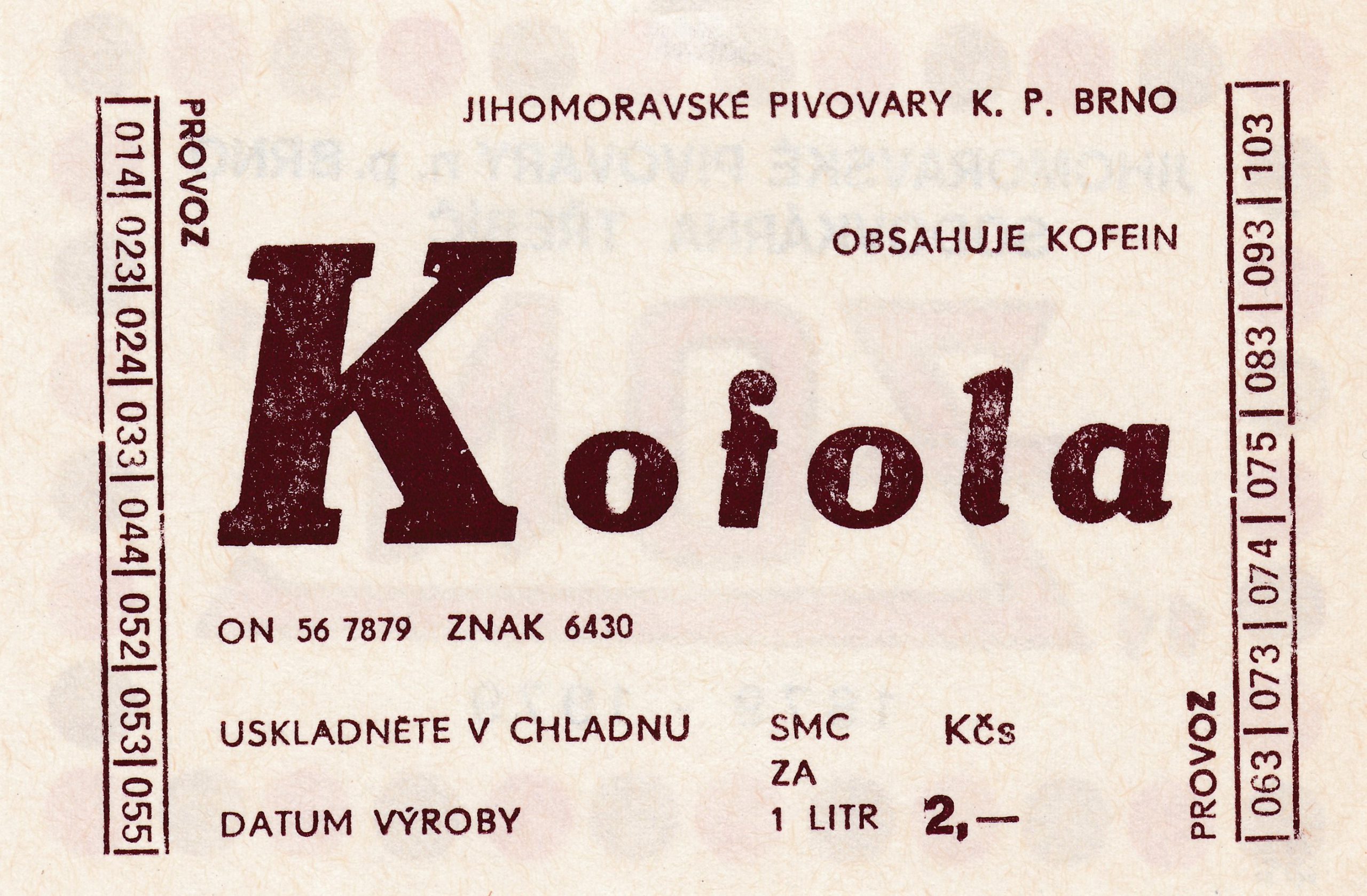
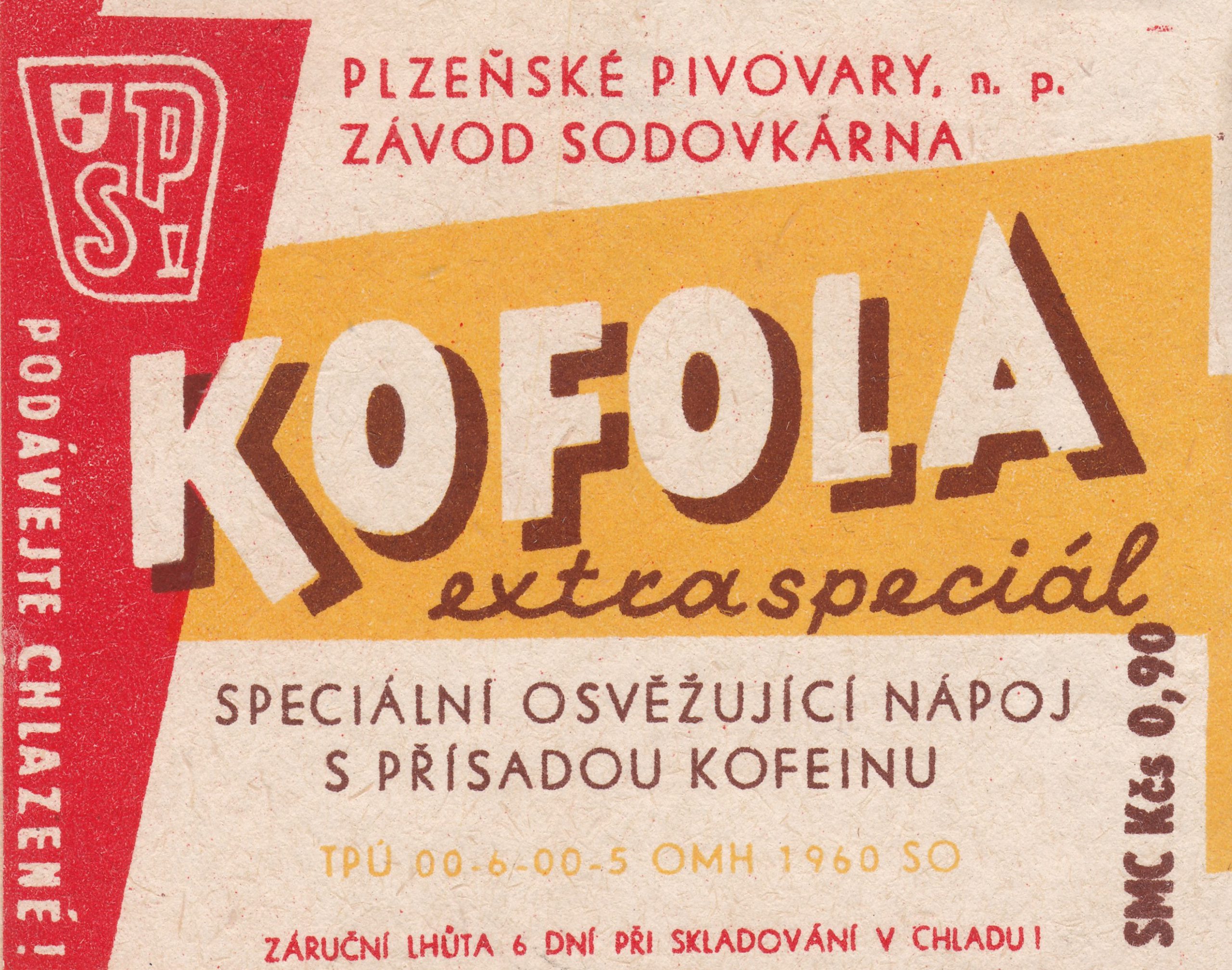
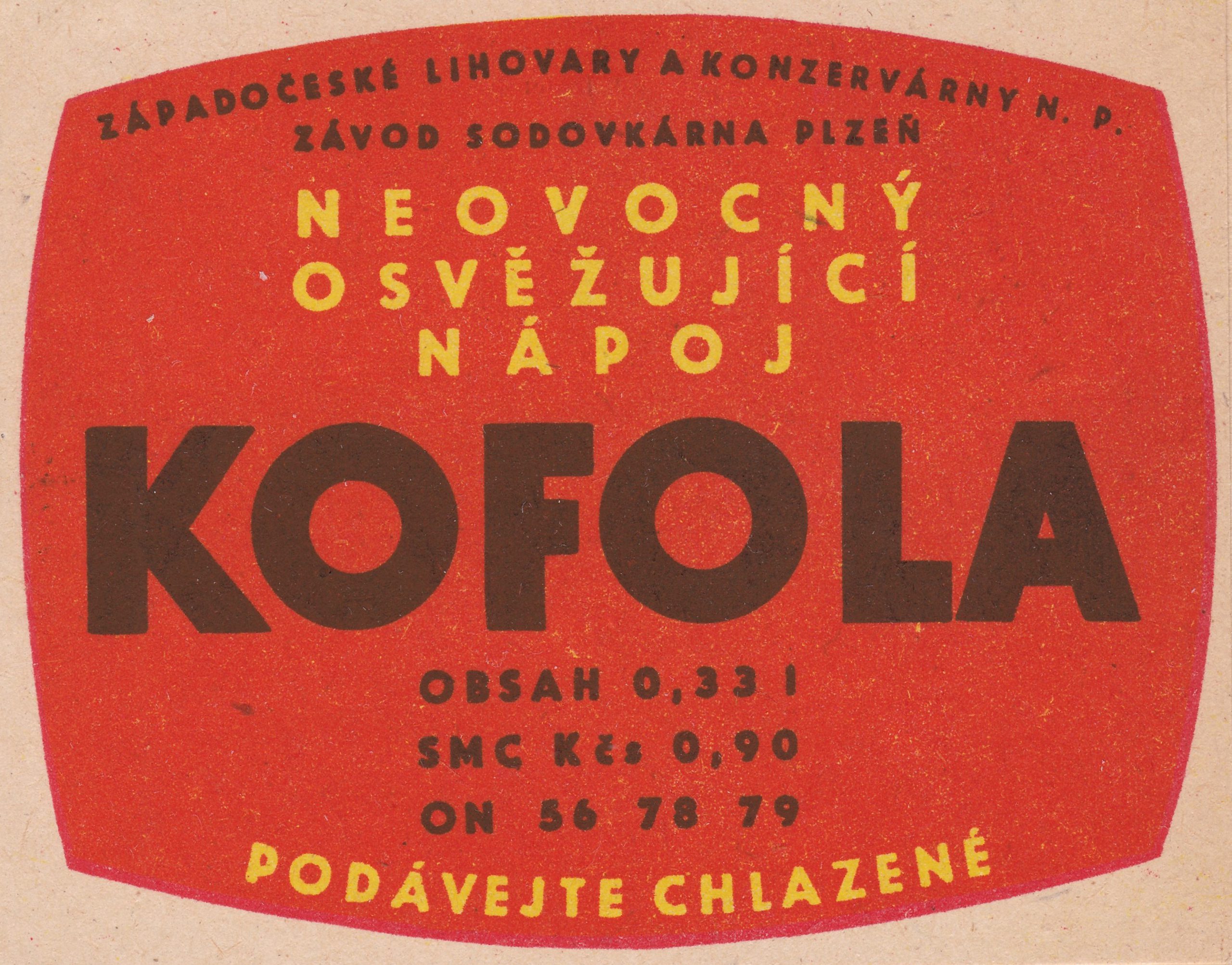
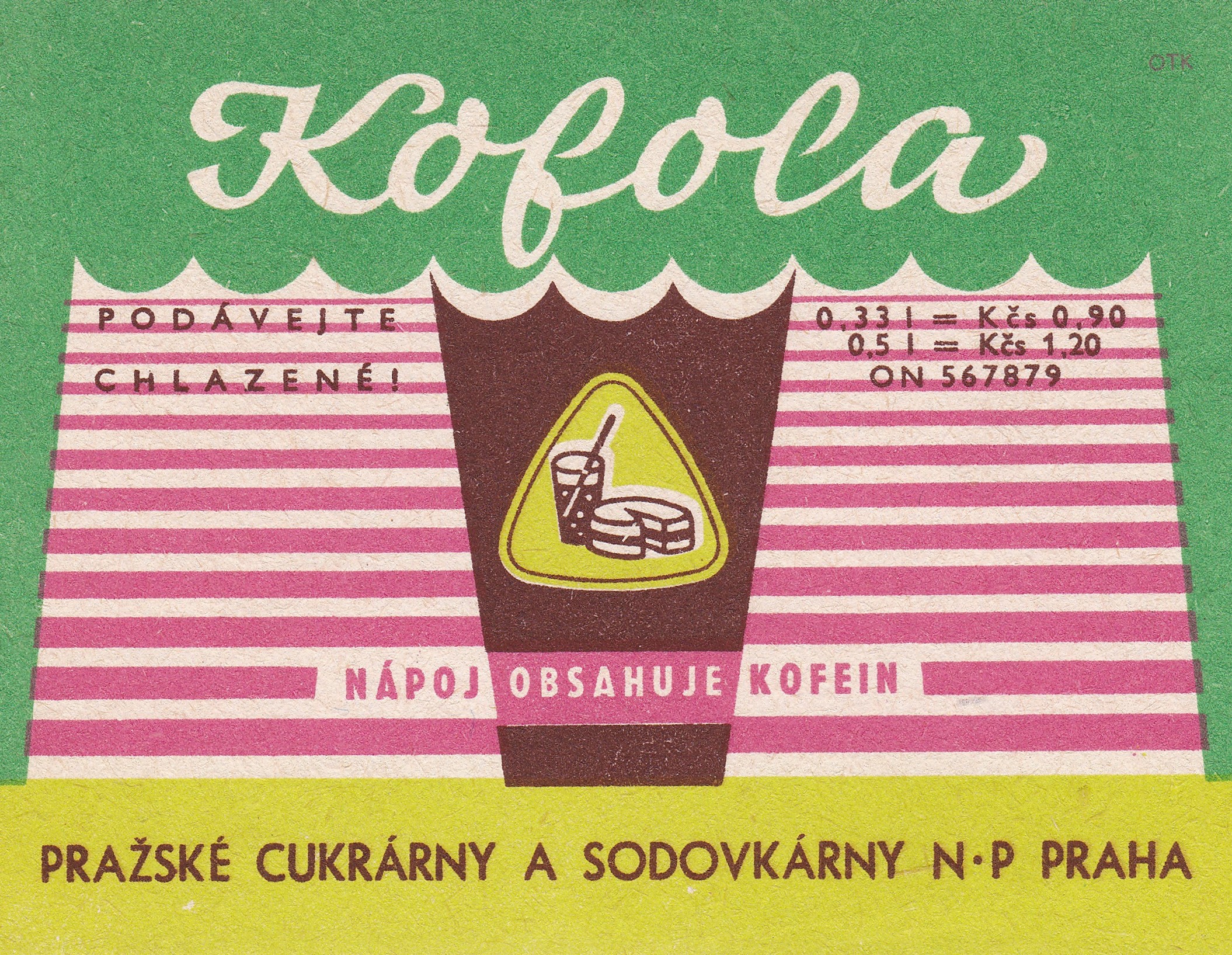
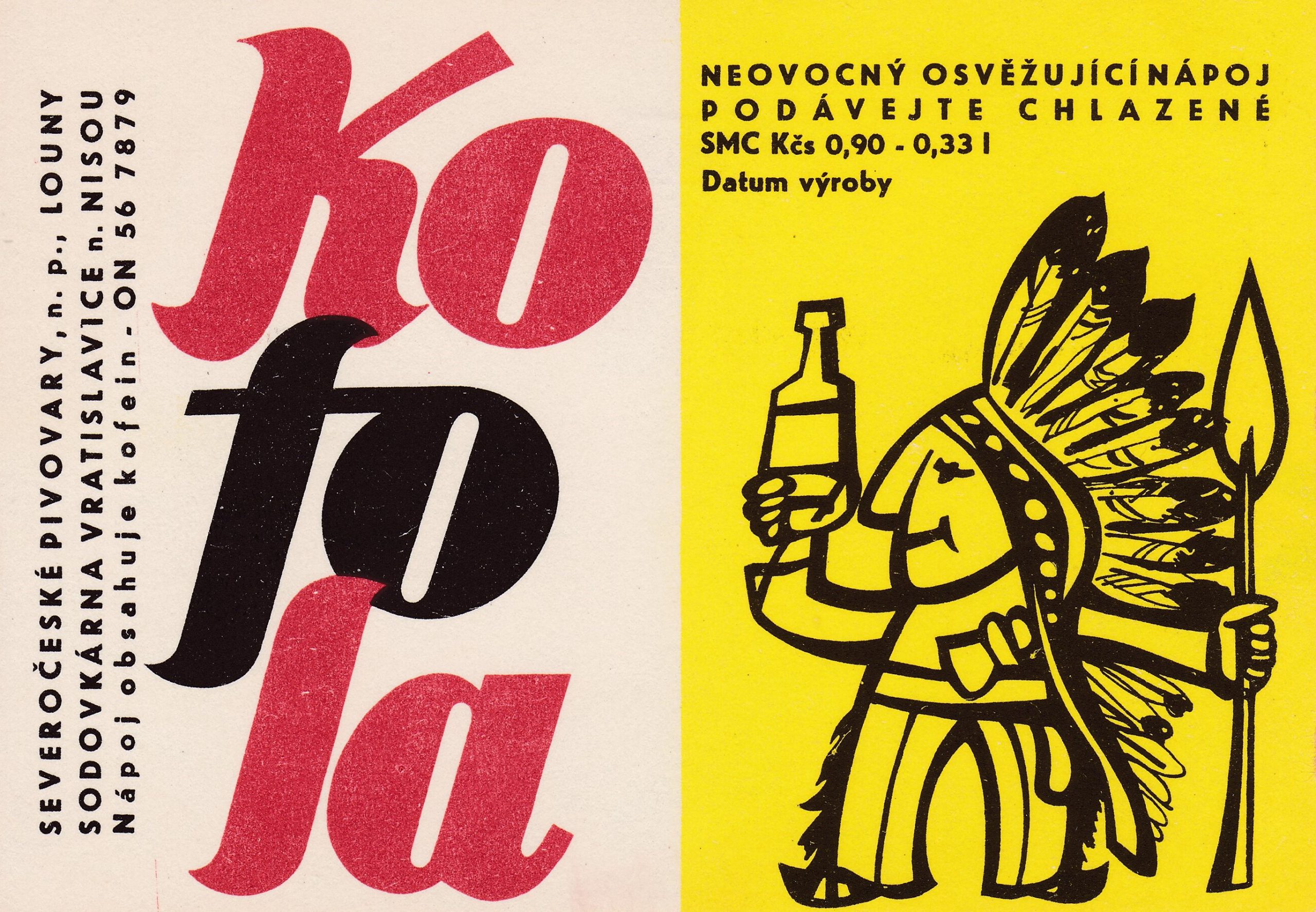
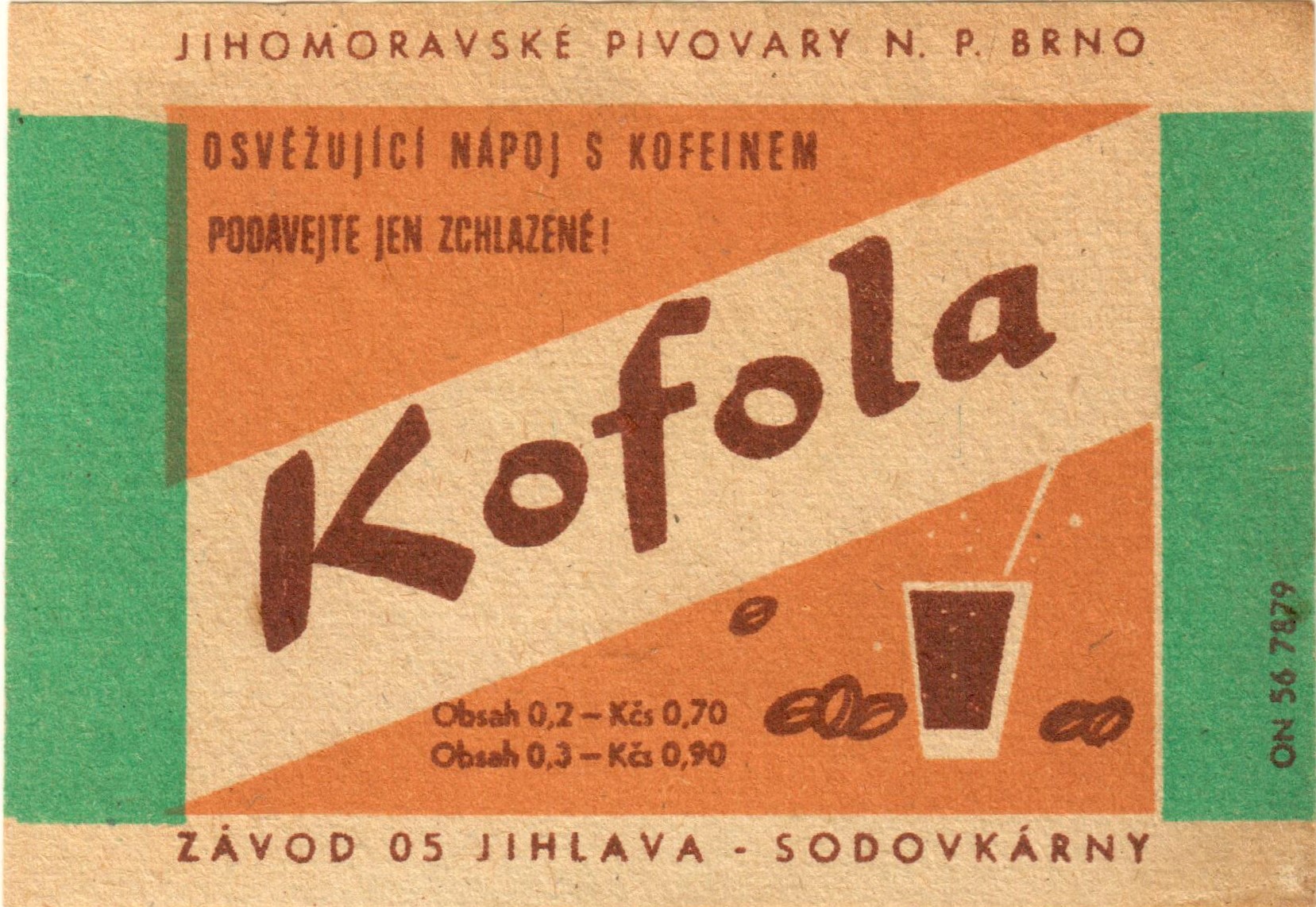
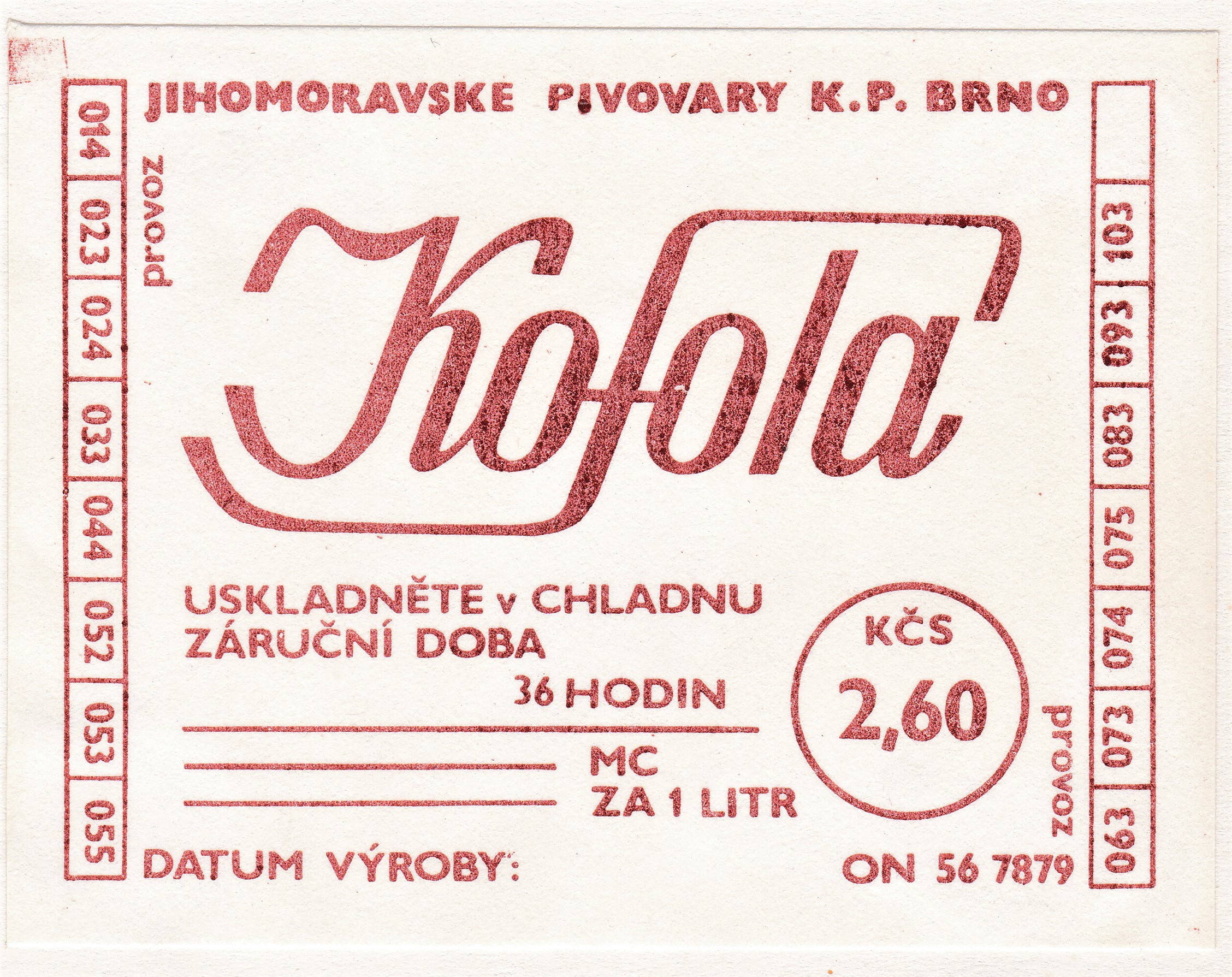
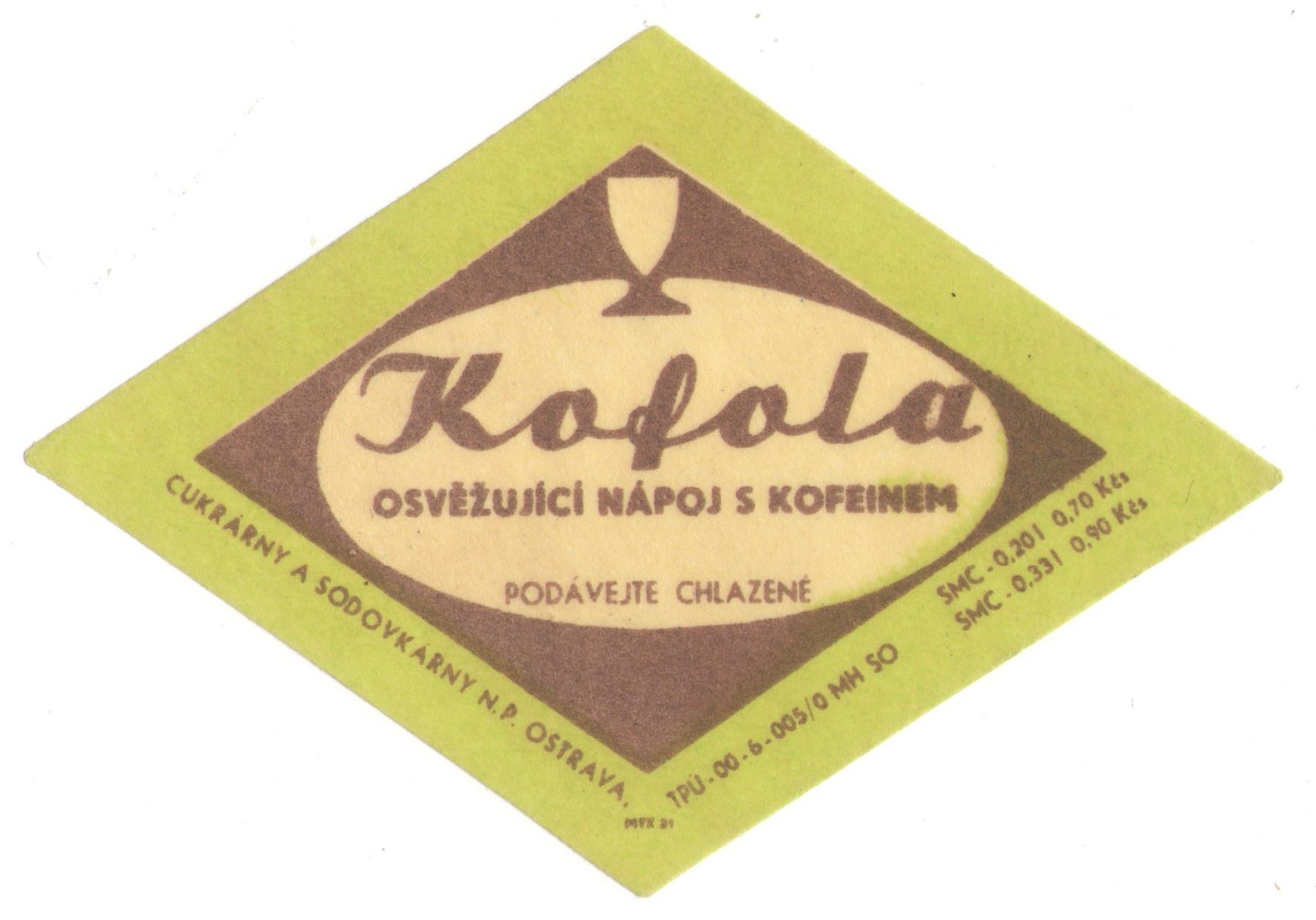
Stepping past a tobacco shop on the way to the bus stop in Bratislava, I spotted it in the window: an orange and brown bottle with a coffee-colored liquid that I recognized instantly: Kofola. I’d heard of the drink before—former Czechoslovakia’s alternative to American Coca-Cola during its communist rule—and was eager to try it for myself. After some negotiating with the clerk using basic words and hand gestures (my Slovak being non-existent), I exited with my prize: two bottles of Kofola tucked under my arm.
Despite knowing that Kofola is not a Coca-Cola knock-off and never claimed to be, the first taste still came as a surprise. The notes were herbal, earthy, and bittersweet, with just a hint of licorice—more akin to a tonic than a cola. Strangely satisfying in its robustness and lack of reliance on sugar to carry the flavor, I was immediately hooked, and found myself seeking out more in the days ahead in Prague.
How did this cola drink, inspired by the popularity of Coca-Cola and yet so unlike it, come to be? The story is just as unique as the drink itself, shaped by political climate, national pride, and consumer demand.
Coca-Cola as the forerunner
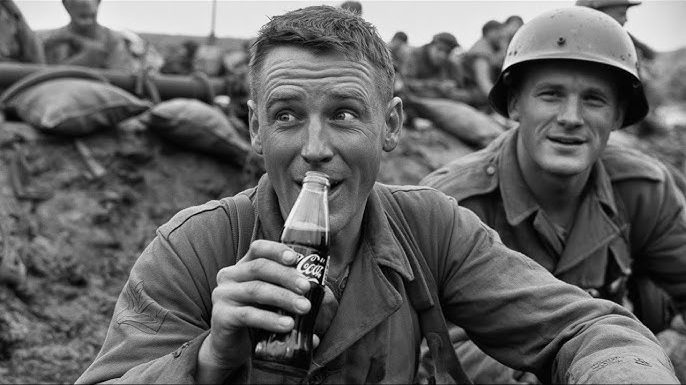
In 1941, Coca-Cola President Robert W. Woodruff made a patriotic vow at the onset of U.S. involvement in World War II that launched the brand onto the world stage: “We will see that every man in uniform gets a bottle of Coca-Cola for five cents, wherever he is, and whatever it costs the company.” Refreshing Coca-Cola served as a morale booster for troops far from home, and the nickel price was easily affordable on a G.I.’s salary.
True to his word, by the end of the war the company had operationalized sixty-four portable bottling plants in war zones across forty-four countries. Coca-Cola became an emblematic symbol of America, freedom, and the comforts of home.
At the end of the war, the American soldiers who liberated Plzeň in western Bohemia from Nazi control introduced the locals to the drink through a mutually beneficial trade: sugary Coke for traditional Pilsner beer. This act marked Coca-Cola’s first introduction to the nation of Czechoslovakia, and its popularity soon spread.
But the country would see great changes in the years to follow, both political and economic, that shaped the flow and access to popular Western brands.
A home-grown solution to meet demand
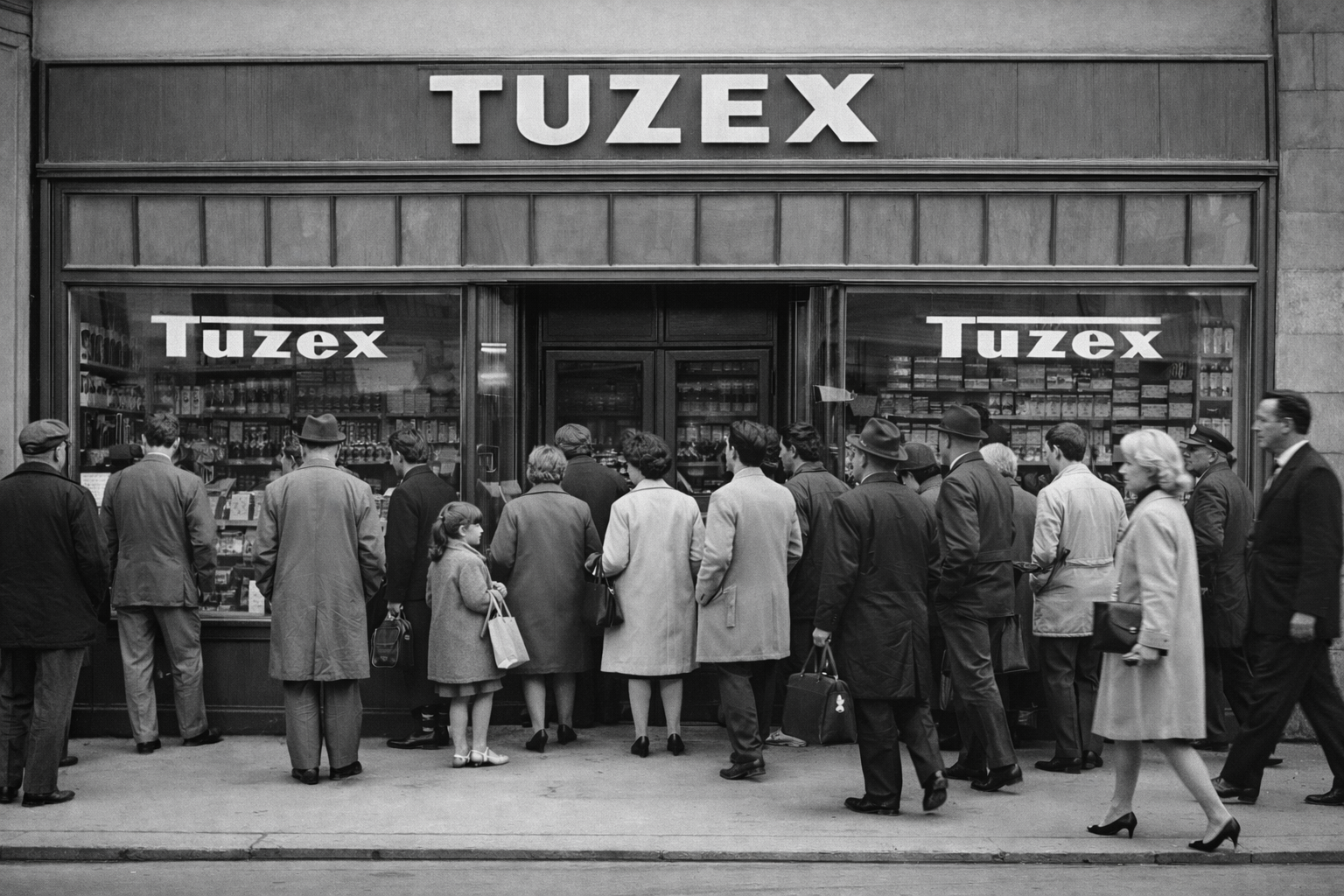
In 1950s Czechoslovakia under Communist rule, imports were tightly controlled. Foreign goods were prohibitively expensive and seen as luxuries; they required special vouchers to purchase at foreign-currency Tuzex shops, which placed the American soft-drink squarely out of reach for the everyday citizen.
Still, the demand for Western goods was high. To meet the desires of the people, the state’s response was to formulate their own soft drink brand as a home-grown alternative to Coca-Cola, using natural ingredients that were domestically sourced or readily available through approved trade networks.
Zdeněk Blažek, director of the Research Institute for Medicinal Plants in Prague, noted for its pharmaceutical research, received the commission to develop a formula for the herbal concentrate. It needed to prove shelf-stable, easy to transport, and simple to dilute locally using existing infrastructure. Blažek enlisted the help of Jaroslav Knap, a pharmacist at the Galena drug factory in Opava, to manage the manufacturing of the product. Knap was uniquely qualified to take on the task—he already had experience in scaling up pharmaceutical recipes for mass production. With their roles established, the two men got to work.
Blažek put together a makeshift lab on a quiet street in Old Town Prague with the basic equipment needed to start mixing and testing ingredients. Within a year, in 1959, he had it: a proprietary blend of herbs, fruits, sugar, and caffeine with a signature flavor, named Kofo syrup. The syrup served as the foundation for the soft drink that was initially called Kofocola, the name later shortened to Kofola. Nation-wide manufacturing began the following year in 1960, and the public received their first taste of the drink that would become iconic in its own right.
Overcoming the odds
However, developing the formula wasn’t without challenges. Caffeine—arguably the drink’s most essential ingredient—wasn’t an imported good, and the scientists had to find a way to source the stimulant for the syrup.
“There was no currency to import it. I don’t know who among us thought of taking it from the chimney in Vysočany at the time,” Knap recalled of the early days of Kofola’s development.
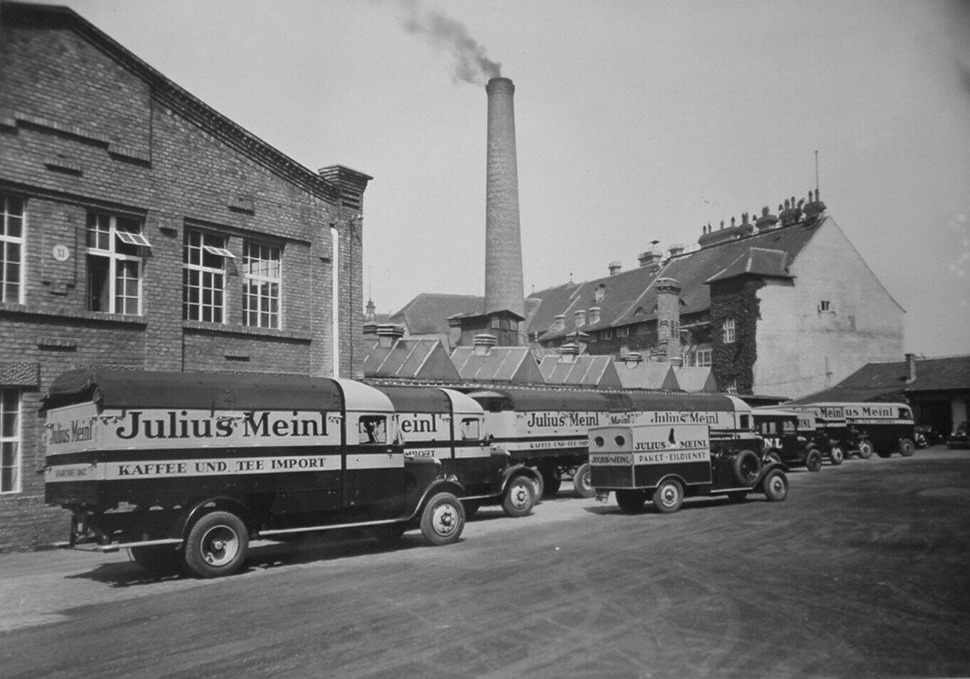
The circular brick chimney of Prague’s only coffee roasting plant would have been a familiar landmark along the skyline of Vysočany. The process of coffee roasting produced a thick soot that contained high amounts of caffeine. With this new untapped source of caffeine discovered, the duo developed a method to capture the soot from the chimney and extract the caffeine chemically. Harvesting a valuable byproduct from waste was not only innovative, but demonstrated a self-sufficiency that the country embodied during times of scarcity.
The soft drink quickly became popular, so much that there was a shortage in ingredients before the decade was out. Necessary herbs for the drink had to be imported to be able to continue to meet the demand for production.
The presence of Kofola became a familiar and comforting sight. Produced centrally, diluted and carbonated locally—the soft drink could be found in shops, canteens, bars, and restaurants. It became part of the background of everyday domestic life; a bottle of Kofola was never too far away. Deemed healthier than traditional colas with its lowered sugar content and absence of phosphoric acid, parents approved of the drink for their children.
The formula, a well-guarded secret
Trade secrecy surrounded the recipe from its creation and is highly guarded to this day, with only a handful of people knowing the exact composition. But Knap would reveal some hints into the formula’s core structure:
“I can say that the main ingredient has always been raspberry syrup. It also includes blackberry, strawberry and raspberry leaves, but also cinnamon, licorice and dried orange peel. And a lot of other things, a total of fourteen items.”
With thirty percent less sugar than traditional soft drinks, what the formula lacked in sweetness was made up for with caffeine—a stimulating fifty-six percent more than classic Coca-Cola.
A time of crisis
Kofola was invented to fill a void, not to compete with Western brands. However, the year 1989 saw the collapse of Communism in Czechoslovakia. With trade restrictions suddenly lifted, popular Western cola brands like Coke and Pepsi began flooding in, bringing with them brightly colored branding and palate-dominating sweetness. Kofola came under threat, suddenly perceived as old-fashioned, provincial, and insufficiently sweet. For a time, it seemed likely to disappear.
During this time, imitation colas sprung up looking to capitalize on the familiarity of the brand name of Kofola. But the recognition ended there; the knock-offs were inconsistent and lacked the signature qualities of the original drink. This influx of knock-offs only served to dilute the market and alter public perception of the brand that so many used to love.
Kofola needed a savior, and would find it in a Greek immigrant and soft drink entrepreneur named Kostas Samaras.
The taste of nostalgia
Kostas Samaras came to Czechoslovakia at the age of eight. After various unsuccessful ventures in agriculture and importing, Samaras bought a small company producing soft drinks. Likely inspired by his own memories of the drink from his youth, he saw the potential in reviving the Kofola brand by tapping into the widespread nostalgia that so many carried from their enjoyment of it in its early decades. In the early 2000s, Samaras purchased the trademark and signature secret formula from its pharmaceutical owner, Galena, and began a campaign that would restore the soft drink back to its former glory. Kofola’s story was far from over.
The new slogan for the drink, “Když ji miluješ, není co řešit” / “If you love her, there is nothing to question,” was boldly unapologetic and leaned into regional pride, offering permission to return to the classic and beloved brand. It worked. The people remembered.
Classic Kofola’s formulation has seen a few necessary changes over the years to enhance its quality and consistency. But its core character has been largely preserved, and is still recognizable to those who have loved the drink for decades. And now drinkers can enjoy new variations on the original flavor, including vanilla, lemon, pineapple, grapefruit, and cinnamon.
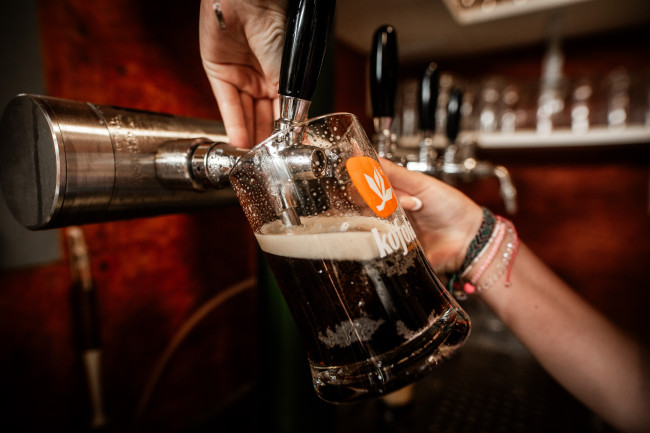
But some things haven’t changed at all. Just as it has been done for decades, Kofola is still served on tap across Czechia and Slovakia, poured from the same counters and served alongside beer. While bottled Kofola is satisfying, draught Kofola is even more so, served ice-cold with a thick head of foam.
If it’s good, there’s no need to change it. If you love it, there’s nothing to question.
From the kitchen…
Kofrum
Kofrum (or “Student lemonade”) is a popular Czech cocktail made by mixing Kofola, Czech Tuzemák rum, and lemon juice. It is similar to a Rum and Coke but uses Kofola for its distinctly herbal notes.
Ingredients
1 part Czech Tuzemák rum (approx. 2 oz)
3-4 parts chilled Kofola
Fresh lemon juice (from 1/4 to 1/2 a lemon, to taste)
Ice cubes
Lemon wedge for garnish
Method
Pour Tuzemák over ice cubes in a tall glass, add a squeeze of fresh lemon juice, top with cold Kofola, stir lightly, and serve with a lemon wedge. Adjust proportions according to preference.